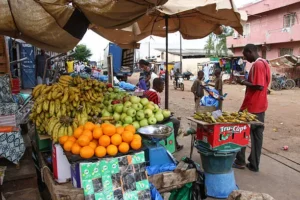
Senegalese cuisine is a true hymn to cultural richness and African conviviality. It is a warm, colorful cuisine where flavors explode and tell a story—that of a country blending Black Africa, Maghreb, France, and local traditions. Meals are often communal moments where people share a large dish placed in the center of the table, typically eaten by hand. This practice goes far beyond simple nourishment: it embodies hospitality, respect, and social bonds.
Rice, fish, vegetables, peanuts, lemon, chili peppers, and onions form the foundation of many traditional dishes. Recipes vary by region and ethnic group (Wolof, Serer, Fulani, Diola…), with each group contributing its own characteristics, cooking methods, and favorite ingredients. Tasting Senegalese cuisine is like embarking on a sensory journey with a thousand nuances.
Here is a selection of 20 traditional Senegalese dishes that you absolutely must try, each with its own history, unique flavor, and cultural significance.
1. Thiéboudienne (Ceebu Jën)
The true national emblem, Thiéboudienne is undoubtedly Senegal’s most famous dish. Its name literally means “rice with fish” in Wolof. It consists of rice cooked in a spicy tomato sauce, accompanied by various vegetables such as carrots, cabbage, cassava, sweet potato, and African eggplant. The fish, often thiof or captain fish, is marinated and stuffed with a paste of herbs and spices called rof.
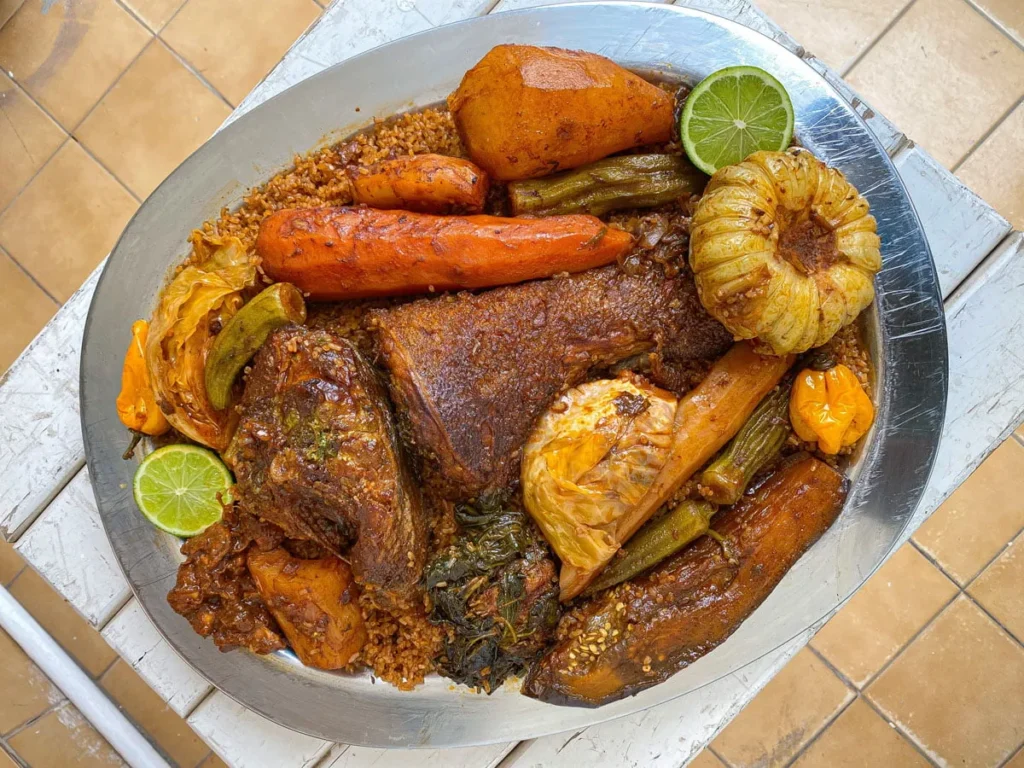
This dish is typically served in a large round metal or wooden platter, around which guests and family members gather to share the meal. Traditionally, everyone eats by hand from their section of the plate, which reinforces the conviviality of the moment. Thiéboudienne can be prepared in several versions depending on the region and season.
Tourists and visitors often fall under the spell of this complete and balanced dish. The aromas of tomato sauce mixed with local spices and tender vegetables create a unique blend of flavors. It’s an absolute must-try during your stay in Senegal.
2. Yassa Poulet (Chicken Yassa)
Originally from Casamance, Yassa Poulet is one of the country’s most popular dishes. It consists of chicken pieces marinated in a mixture of lemon, onions, mustard, and spices before being grilled or fried, then simmered in their marinade. The sauce is fragrant and slightly tangy, and everything is served with plain white rice.
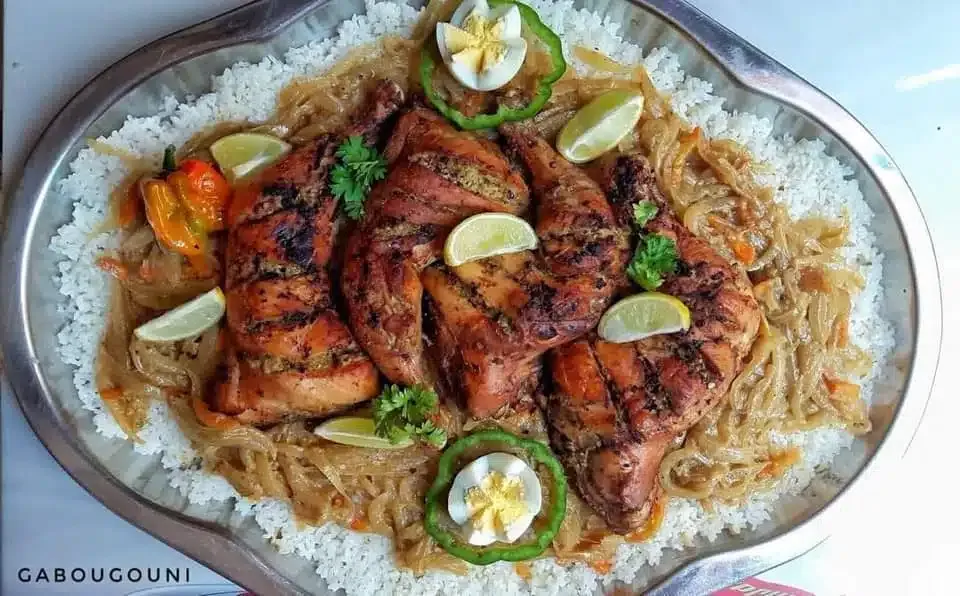
The particularity of Yassa lies in the cooking of the onions, which must become tender and caramelized to give flavor to the sauce. It can also be prepared with fish, particularly captain fish, highly appreciated by Senegalese. The dish can be slightly spiced up by adding fresh chili peppers according to taste.
Simple yet flavorful, Yassa is often offered in traditional restaurants and enjoyed by both locals and visitors alike. It provides an excellent introduction to Senegalese flavors for those discovering the country’s cuisine.
3. Mafé
Mafé is a smooth and flavorful stew made with peanut paste. It is cooked with meat (most often beef or chicken) or fish, various vegetables (carrots, sweet potatoes, cassava), and a generous sauce. The peanut paste gives this dish a creamy texture and a slightly sweet and smoky taste.
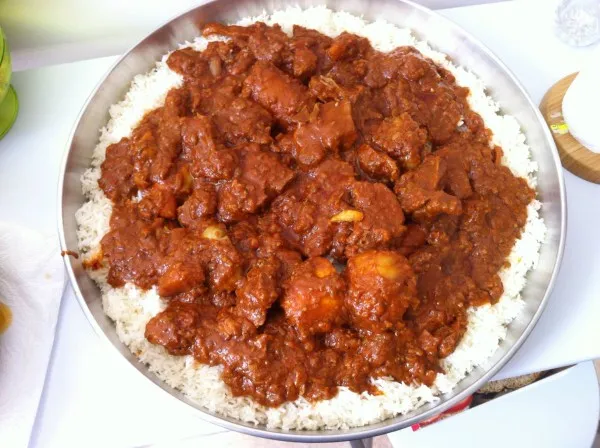
This dish is very common in Senegal and West Africa. There are different versions depending on the region and family preferences. Some add tomatoes, chili peppers, and broth to enhance the sauce even more. Mafé is enjoyed hot, accompanied by white rice or millet couscous.
It is particularly appreciated during family meals and special occasions. Its richness in flavors and thick sauce make it a comforting and generous dish, ideal for lovers of gourmet and spicy cuisine.
4. Thiou
Thiou is a tomato and onion-based sauce very popular in Senegalese cuisine. It is often prepared with fish, beef, or shrimp, and can be accompanied by rice or millet couscous. It’s a simple but very tasty dish, flavored with garlic, bay leaf, and sometimes chili pepper.
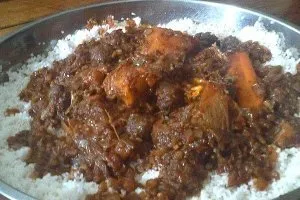
Every household has its own version of thiou, depending on available ingredients and family preferences. Thiou can also include carrots, cassava, or other vegetables. Its red and smooth sauce makes it a perfect accompaniment for white rice.
It’s an everyday dish commonly found in Wolof families and is part of the basic diet, especially in urban areas.
5. Domoda
Originating from the Tambacounda region, domoda is a very particular dish. It consists of a sauce thickened with flour, flavored with lemon, and prepared with meat or fish. This tangy dish is often served with white rice.

Its texture is unique, denser than other Senegalese sauces. This consistency is achieved through the use of flour, a rare technique elsewhere in West Africa.
Domoda also stands out for its tangy taste that awakens the taste buds. It’s a dish to try absolutely for its specificity.
6. Soupou Kandja
This dish is a slimy sauce made with okra, also called gombo, which is simmered with meat, smoked fish, and sometimes shellfish. The sauce is often enhanced with netetou, a typical fermented spice.
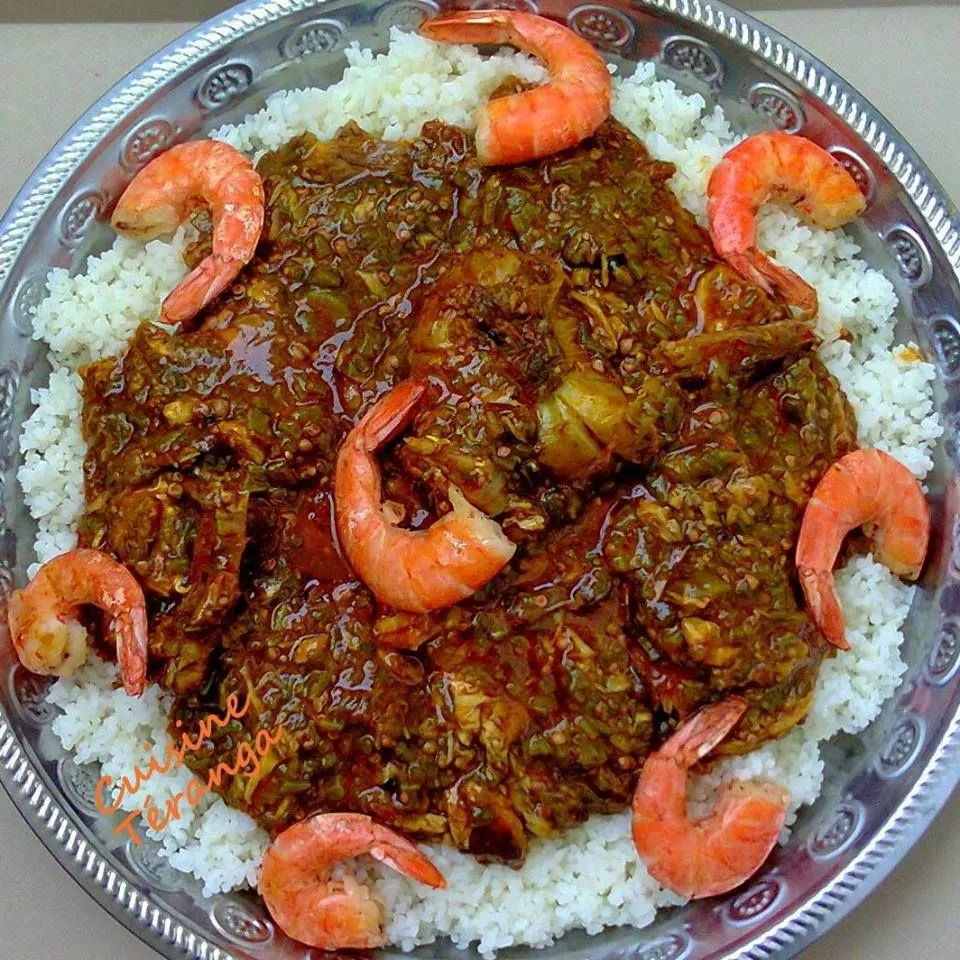
Soupou kandja is typical of family meals and is eaten with white rice. Okra gives a particular texture that takes getting used to, but which enthusiasts appreciate for its benefits and original taste.
Rich in fiber and flavors, it’s a complete dish that reflects well the deep flavors of Senegalese cuisine.
7. Senegalese Ndolé
Adapted from the Cameroonian dish, ndolé is present in some Senegalese communities as a mixture of sorrel leaves, peanut paste, dried fish, or meat.

Its bitter taste and thick sauce make it a very characteristic dish. It is often reserved for special occasions or connoisseurs.
It’s an example of Senegal’s cultural diversity, capable of integrating external influences while giving them a local flavor.
8. Mbaxal
Mbaxal is a traditional dish often prepared in villages and by modest families. It is composed of rice, local vegetables, dried fish, and sometimes small pieces of meat or shellfish. Everything is simmered with simple spices like garlic, pepper, and sometimes nététou.

This dish is appreciated for its simplicity and nourishing quality. It allows recycling of locally available ingredients, making it an economical and sustainable option. It is often cooked in large quantities to feed many people at once.
Mbaxal reflects the ingenuity of Senegalese cuisine, capable of elevating the simplest products to create a flavorful and comforting meal.
9. Caldou
Originating from the southern region of Senegal, caldou is a dish made with fried fish accompanied by a lemony onion sauce. It is usually served with white rice. The taste is fresh, slightly tangy, perfect for hot days.

The particularity of caldou lies in its lightness and in the contrast between the crispy fish and the smooth sauce. Vegetables like okra or cassava can be added for more consistency.
It’s a prized dish on the coasts, especially in Casamance, and it appeals to fish lovers for its finesse and aromatic balance.
10. Yassa Fish
A variant of chicken yassa, yassa fish is just as popular, especially in coastal regions like Saint-Louis or Mbour. The fish is marinated in lemon, garlic, and onions before being grilled, then simmered in an onion-lemon sauce.

This dish combines the tangy flavor of the marinade and the fragrance of grilling, creating a unique harmony. It is served with white rice, like most Senegalese dishes.
Yassa fish is often preferred during seaside meals, where fresh fish is abundant. It’s an authentic culinary experience not to be missed.
11. Grilled Fish (Poisson Braisé)
Grilled fish is a staple of Senegalese street food and beaches. Prepared with local spices, sometimes marinated in lemon, oil, and chili pepper, it is slowly grilled over wood fire or charcoal.
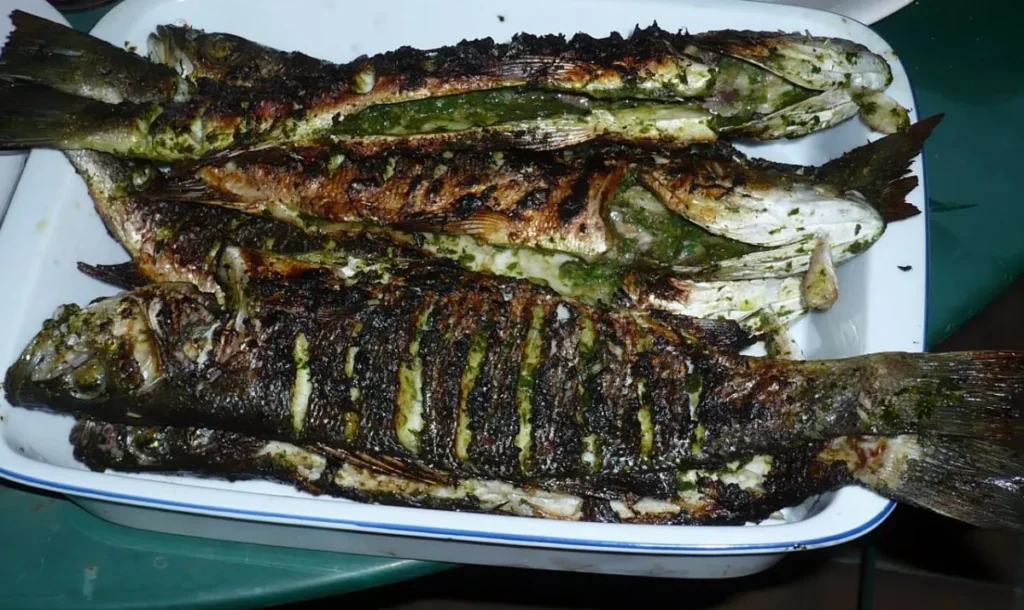
Served with accompaniments like rice, fried sweet potatoes, or salad, grilled fish is both simple and flavorful. Each bite reveals a depth of taste thanks to the marinade and slow cooking.
It’s a popular dish among tourists and locals alike, ideal for a relaxed lunch by the sea.
12. Pastels
Pastels are small fritters stuffed with spicy fish and wrapped in a crispy dough. They are fried in oil and often served with a slightly sweet and spicy tomato sauce.
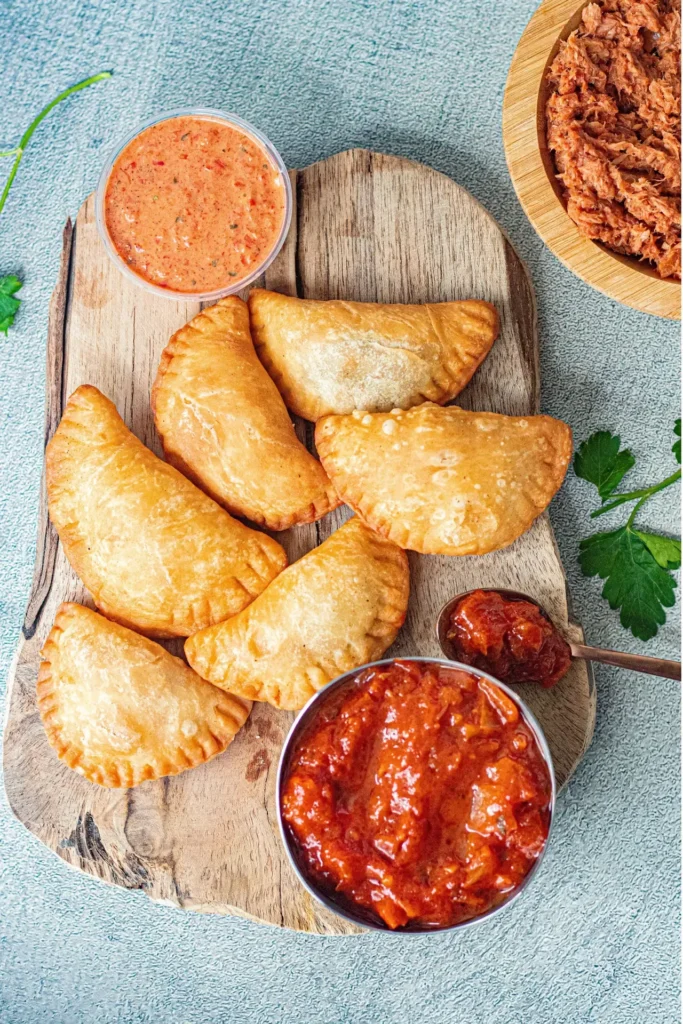
They are enjoyed as an appetizer or snack and are very common in the streets of Dakar. Easy to carry, they are ideal for a quick and tasty snack.
Their spicy flavor and soft texture make them one of Senegalese people’s favorite snacks, especially in the late afternoon.
13. Niébé Fritters (Accras de Niébé)
Accras are savory fritters prepared with bean flour (niébé), onions, chili pepper, and sometimes crumbled fish. They are fried until crispy on the outside and soft on the inside.
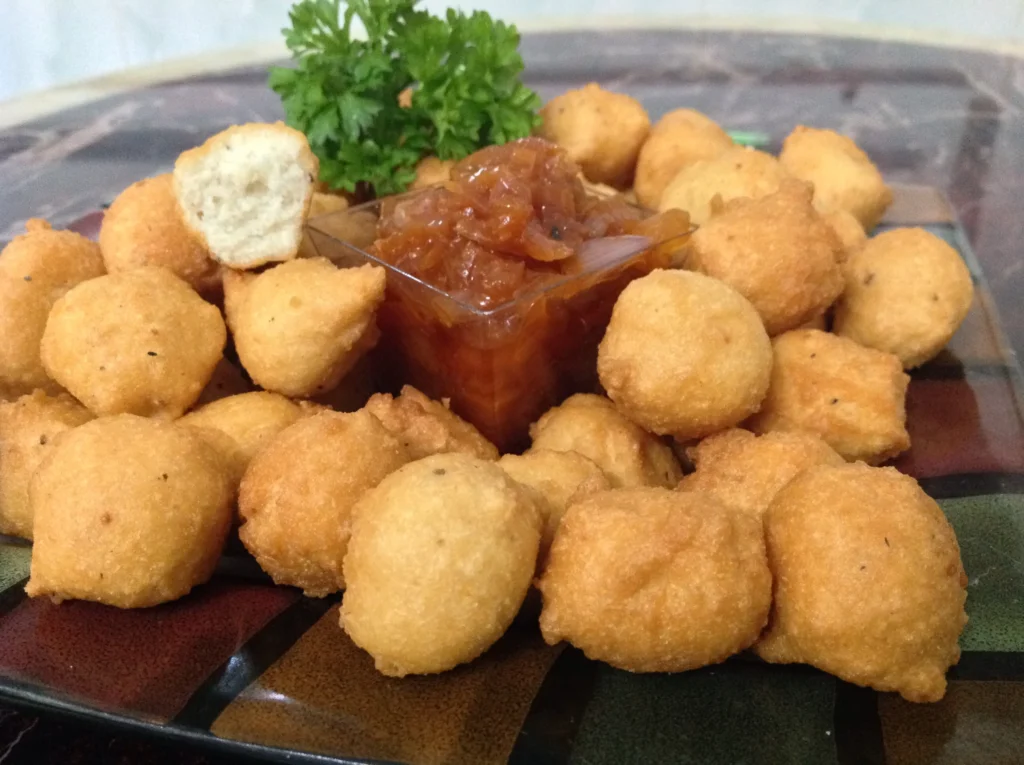
Very popular during celebrations and family gatherings, accras are often accompanied by homemade spicy sauces. They can be enjoyed hot or cold.
Their richness in plant proteins makes them a nourishing alternative to classic snacks.
14. Fataya
Fataya is a kind of fried turnover, filled with minced meat, fish, or even vegetables. It is similar to empanadas and is often consumed as a snack or street food.
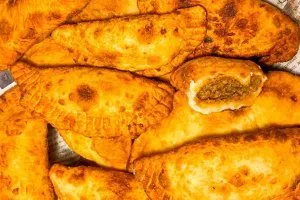
Indulgent and well-seasoned, it is ideal for satisfying a small appetite. It can be easily found from street vendors, in markets, or small restaurants.
It can be served with homemade spicy sauce, which enhances the taste of the flavorful filling even more.
15. Lakh
Lakh is a thick millet porridge, usually consumed at breakfast or during religious celebrations. It is often accompanied by curdled milk or sweetened yogurt, sometimes flavored with orange blossom water.
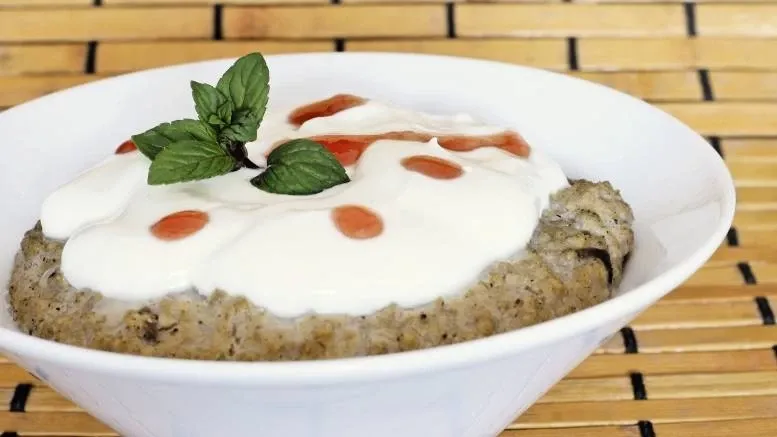
It’s a very energetic dish, appreciated for its ability to satisfy for a long time. It is often served during family ceremonies, particularly baptisms (nguenté).
Its dense and creamy texture offers a nourishing alternative to industrial cereals.
16. Thiakry
Thiakry is a traditional dessert made with millet couscous, curdled milk, sugar, and sometimes raisins or nutmeg. Served cold, it is highly appreciated for its freshness.
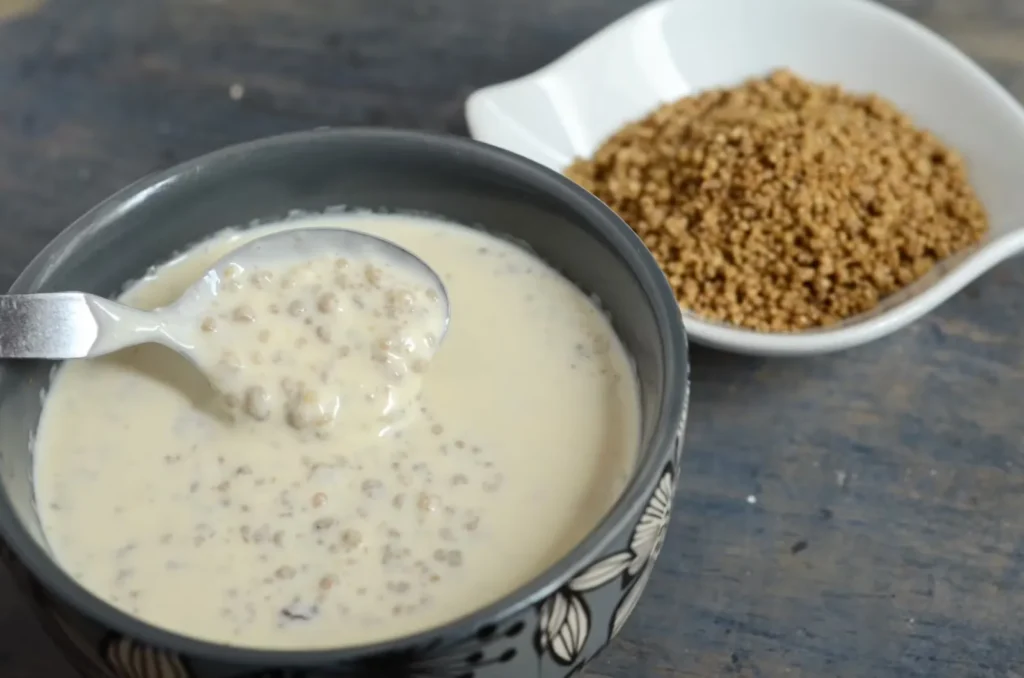
Often prepared for celebrations and festivities, it constitutes a light and natural dessert. Its slightly tangy and sweet taste pleases both adults and children.
It can be customized according to taste, with yogurt, honey, or dried fruits to vary the pleasures.
17. Ngalakh
Ngalakh is a sweet specialty made with millet semolina and curdled milk. Often enhanced with sugar, orange blossom water, or dried fruits, it is similar to thiakry but denser.
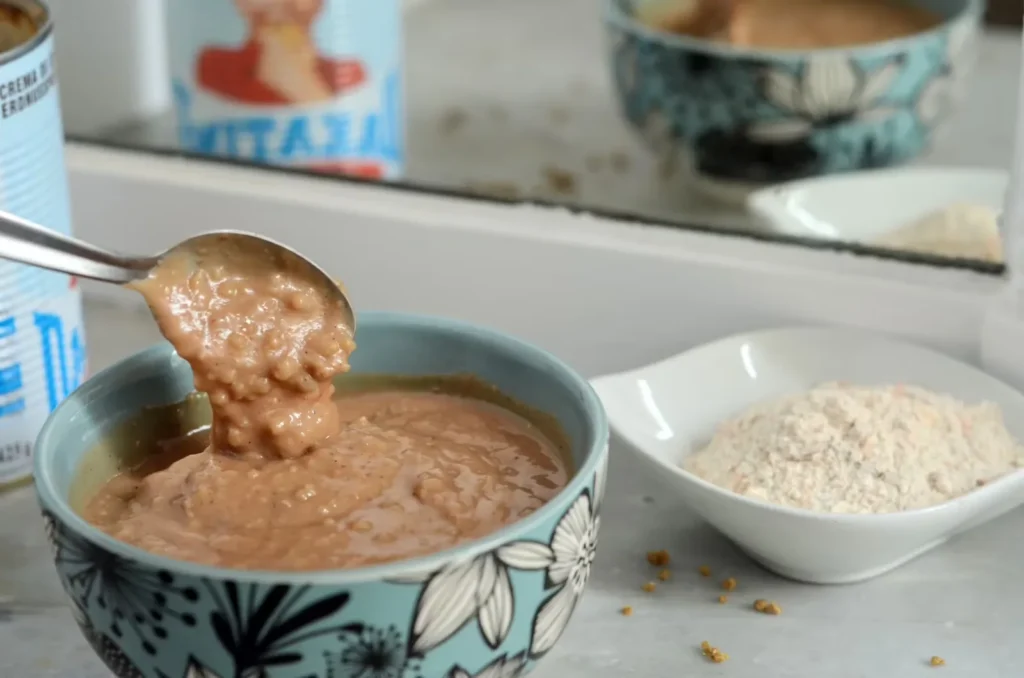
It is widely consumed during weddings and baptisms, but also daily as a dessert or snack. Its richness in cereals makes it both an indulgent and satisfying dessert.
Nguékh is a perfect example of local know-how in the art of transforming simple ingredients into delicious dishes.
18. Café Touba
An emblematic beverage of Senegal, Café Touba is prepared with black coffee infused with selim grains (Guinea pepper). This mixture gives it a unique aroma, both spicy and slightly bitter.

It is often drunk very sweet and hot, and can be found on every street corner, served by street vendors. Café Touba is much more than a beverage: it’s a social institution.
Its name comes from the holy city of Touba, cradle of the Mouride brotherhood. It accompanies discussions, breaks, and moments of prayer.
19. Bissap
Bissap is a drink prepared from dried hibiscus flowers, infused then sweetened. You can add mint, ginger, or orange blossom water according to taste.
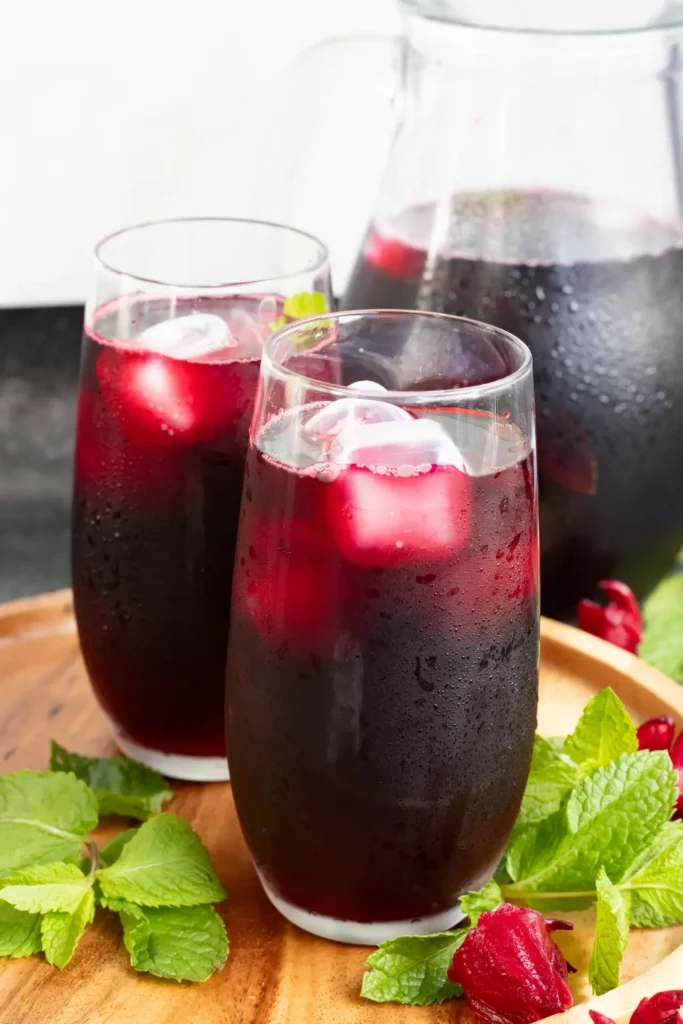
Very refreshing, bissap is the national drink par excellence. It is served during ceremonies, but also daily to quench thirst.
Rich in antioxidants, it is also appreciated for its medicinal properties. Its intense red color and tangy taste make it an essential part of Senegalese gastronomy.
20. Thiéré Bassi Salté
Thiéré Bassi Salté is a traditional Senegalese dessert made with millet couscous (thiéré) mixed with sweetened plain yogurt, often flavored with vanilla and accompanied by dried fruits such as raisins and dates. This sweet and refreshing dish is highly prized during hot weather and at certain family ceremonies.

This dessert symbolizes the generosity of Senegalese cuisine, which knows how to combine simplicity and refinement. The slightly grainy texture of thiéré combined with the sweetness of yogurt and the aromas of dried fruits offers a moment of freshness after a hearty meal. Thiéré Bassi Salté is also nutritionally interesting thanks to millet rich in fiber and minerals.
It is often found during religious celebrations, particularly for Korité or Tabaski, where it is prepared in large quantities to delight the whole family. Easy to make and customize according to taste, this dessert is a beautiful way to end a traditional Senegalese meal on a light and sweet note.
Conclusion
Senegalese cuisine is one of the richest and most flavorful in West Africa. Between hearty dishes, indulgent desserts, and refreshing drinks, it delights all palates. During your next stay in Senegal, take the time to savor these 20 traditional dishes and let yourself be surprised by unique flavors.
And to make your culinary experience even more enjoyable, choose SENEGAL SUITES and enjoy the comfort of our furnished apartments and suites, perfect for preparing or enjoying these delights in an authentic and friendly setting.
Bon appétit and happy travels to the land of Téranga!