Located in West Africa, bordered by the Atlantic Ocean, Senegal is an increasingly popular destination for travelers seeking authenticity, human warmth and cultural discoveries. This multifaceted country offers a pleasant climate, exceptional natural wealth, and a vibrant culture that appeals to adventure lovers and history and gastronomy enthusiasts alike. But to fully enjoy everything Senegal has to offer, you need to choose the right time to go. In this article, we will explore in detail the best time to visit Senegal, taking into account climate variations, tourist seasons, major cultural events, and some practical tips for organizing your trip in the best possible conditions.
A Tropical Climate Marked by Two Main Seasons
Senegal enjoys a tropical Sudano-Sahelian climate, with two distinct seasons: the dry season and the rainy season. This climate, influenced by monsoon winds and ocean currents, varies slightly by region, but remains generally pleasant throughout the year. However, for an optimal experience, it is essential to understand how these seasons affect travel conditions, available activities, and tourist crowds.
The dry season, which generally runs from November to May, is undoubtedly the most favorable period to visit the country. Temperatures range between 24 and 32 degrees during the day, with cooler nights, particularly in inland regions. The sky remains clear, the beaches are bathed in sunshine, and conditions are ideal for exploring national parks, nature reserves and historical sites. It is also the period when humidity is at its lowest, making travel more comfortable, especially for those who wish to journey from north to south across the country.
On the other hand, the rainy season, from June to October, is marked by increased humidity and sometimes heavy showers, mainly concentrated in August and September. Although it does not rain every day, it can make some roads impassable, particularly in rural areas or in Casamance. However, this period is not without interest: nature comes back to life, the landscapes are lush and green, and accommodation prices are often more affordable. It is also the time when tourism is less dense, offering a more intimate experience for those who wish to go off the beaten track.
The Senegalese Winter: Peak Tourist Season and Ideal Conditions
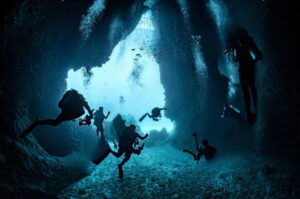
The period from December to April represents the peak tourist season in Senegal. It coincides with winter in the northern hemisphere, which drives many European travelers to flee the cold and come enjoy the Senegalese sunshine. Seaside resorts such as Saly, Cap Skirring and the beaches of the Petite Côte experience heavy footfall during this period. Temperatures are mild, the sea is calm, and water activities such as diving, surfing and pirogue excursions can be enjoyed in perfect conditions.
It is also an ideal time to discover the national parks, such as Niokolo-Koba Park, a UNESCO World Heritage Site, or the Bandia Reserve, where you can observe giraffes, rhinoceroses, antelopes and migratory birds. The dry climate makes it easier to access these protected areas, which are often unreachable during the rainy season. Photo safaris, bush hikes and birdwatching tours are particularly recommended between January and March, when temperatures are at their most pleasant.
Furthermore, the peak season coincides with a series of major cultural events. The Saint-Louis Jazz Festival, usually held in May, attracts musicians and enthusiasts from around the world. Dak’Art – the Biennale of Contemporary African Art, often scheduled between April and June, transforms the capital into a vast open-air gallery. These events offer an exceptional immersion into Senegal’s artistic and cultural scene, adding a unique dimension to the trip.
When to Go Depending on the Region of Senegal?
Senegal is a country of very varied landscapes: desert in the north, mangroves in Casamance, savannahs in the center, and dynamic urban areas in Dakar and Saint-Louis. Each region has its own climate characteristics, and the ideal period may vary slightly depending on your chosen destination. In Dakar, for example, temperatures are mild year-round thanks to the sea breeze, but the most pleasant months remain from November to March, when the heat is moderate and rain is almost non-existent. This is the ideal time to visit Gorée Island, stroll through the Sandaga market, or take a walk along the Almadies corniche.
In Casamance, a region located in the south of the country and separated from the rest of the territory by Gambia, the situation is slightly different. This very green area receives more rainfall than the north, and the rainy season is more pronounced. The months of November to February are particularly well-suited for discovering this authentic region, rich in animist traditions, welcoming villages and still-unspoiled beaches such as those of Cap Skirring or Kafountine. It is also the best time to travel easily, as roads can become impassable between July and September.
In the Sahelian zones of the north, such as Podor or Matam, the climate is more arid. Temperatures can exceed 40°C between March and May, making travel difficult. It is therefore advisable to visit these regions between December and February, when the heat is less intense. This is the ideal time to discover the historical riches of the Senegal River valley, the old colonial trading posts, and the distinctive mud-brick mosques characteristic of this part of the country.
The Cultural and Religious Factor to Consider
In addition to climate considerations, it is also wise to take Senegal’s cultural and religious calendar into account when planning your trip. Indeed, Senegal is a predominantly Muslim country, and certain periods such as Ramadan or Tabaski (Eid al-Adha) strongly influence the rhythm of daily life. During these sacred times, shop opening hours may be reduced, some services less available, and the atmosphere in cities quieter, sometimes even subdued.
That said, traveling during Ramadan is not necessarily a drawback: it is an opportunity to observe a spiritual dimension of Senegalese society, to taste the traditional dishes of the “ndogou” (the meal breaking the fast), and to witness deeply moving scenes of sharing. However, one must be respectful of local practices, in particular by avoiding eating or drinking in public during the day.
The Magal de Touba, a major pilgrimage gathering several million Mouride devotees each year, takes place on a variable date according to the Islamic calendar. This event can affect the availability of transport and accommodation in certain regions, particularly around the holy city of Touba. For those wishing to attend this unique event, it is a fascinating time, but advance preparation is essential.
Conclusion: When to Go to Senegal for a Successful Experience?
Ultimately, the best time to visit Senegal depends primarily on your preferences, your tolerance for heat, and the experiences you are looking for. For the majority of travelers, the dry season between November and April remains the most comfortable time to explore the country under favorable climatic conditions. The landscapes are accessible, activities are varied, and temperatures are ideal for wandering through the streets of Dakar, exploring the markets, going on safari or relaxing on the beaches. It is also the period that concentrates the most cultural events and popular festivities, guaranteeing a stay full of emotions and discoveries.
However, if you are looking for a quieter, less touristy atmosphere and more affordable rates, the green season, particularly between June and August, can also be very enjoyable, provided you plan your travels carefully and focus on regions less exposed to rainfall. This time of year allows you to appreciate a lush Senegal, where nature bursts with vitality, the mangroves are full of birds, and local culture is experienced in a more intimate atmosphere.
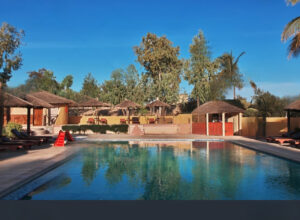
Finally, whatever time of year you choose, a trip to Senegal remains an exceptional human adventure. This warm country, rich in traditions, music and hospitality, will win you over in any season. To ensure a stay that lives up to your expectations from the moment you arrive, SENEGAL SUITES offers fully furnished luxury apartments combining refined comfort, generous living space and an impeccable lifestyle. Whether you are coming for a short stay or an extended journey of discovery, our upscale residences provide the perfect base from which to explore Senegal in style and serenity.
👉 Book your luxury apartment with SENEGAL SUITES today and discover Senegal in the utmost comfort and elegance.